Maine’s Greatest Asset Isn’t Just Full-Time
News
Maine’s Greatest Asset Isn’t Just Full-Time
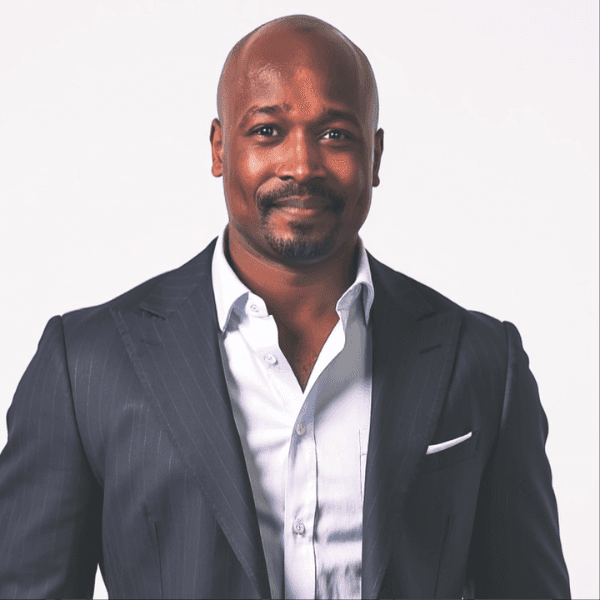
Ryan D’Wolff Munro
Maine has always understood something fundamental about building great things: it starts with people. From generations of skilled tradespeople and entrepreneurs who built an economy rooted in resourcefulness, to the modern innovators launching high-growth companies, this state’s most enduring competitive advantage has always been its human capital.
But here’s what’s changing - and what forward-thinking founders already know: human capital doesn’t have to be full-time to be transformative.
The Independent Workforce Is No Longer the Exception
The numbers tell a striking story. According to the U.S. Census Bureau, America’s nonemployer businesses - solo operators, independent consultants, and self-employed professionals - grew from 24 million in 2015 to over 30 million in 2023, a 25% increase. Post-pandemic, the acceleration was even sharper: nonemployer establishments surged 4.9% in 2021 and 4.7% in 2022, the fastest growth in nearly two decades.
This isn’t just gig workers and side hustles. The fastest-growing segment is highly skilled professionals - fractional executives, independent consultants, and specialized experts who bring C-suite and senior-level experience to companies on a flexible basis. The number of fractional professionals doubled from 60,000 to 120,000 between 2022 and 2024, and roughly 35% of U.S. companies now have at least one fractional or interim executive on their org chart.
For startups and small businesses - especially those in Maine - this shift represents an enormous opportunity.
Maine’s Quiet Talent Boom
The pandemic didn’t just change where people work. It changed where they live. Between 2020 and 2024, Maine’s population grew by over 40,000 people - a 3.1% increase that ranked 17th nationally. For four out of five years between 2021 and 2025, Maine’s net migration ranked in the top ten in the country.
And these newcomers aren’t retiring to the coast. Census data shows they’re relatively younger than Maine’s existing population - in fact, Maine was the only state in the nation whose median age dropped from 2020 to 2021. They’re settling across every county, including the state’s most rural communities. Many of them are experienced professionals who chose Maine for its quality of life and brought their careers with them - as independents.
The result is a deep and growing bench of fractional CFOs, CTOs, CMOs, product leaders, operations specialists, HR strategists, and more - professionals across every discipline who are available to Maine companies right now, without requiring a full-time commitment or a tier 1 city salary.
Why This Matters for Maine’s Startups
Early-stage companies face a classic catch-22: they need experienced leadership to grow, but they can’t yet afford (or justify) full-time executive hires. Fractional and independent talent solves this problem elegantly. A fractional CFO can build your financial infrastructure and investor-ready reporting. A part-time CTO can architect your platform. An independent marketing strategist can launch your go-to-market - all without the overhead of a full-time salary, benefits package, and significant equity dilution that comes with a premature senior hire.
Research backs this up: companies employing fractional executives reported a 25% improvement in operational efficiency within the first six months, according to a 2024 leadership trends study. And these aren’t theoretical savings - they’re the kind of practical, resourceful decisions that Maine’s business community has always been known for.
AI Is Accelerating the Shift
The rise of AI tools isn’t replacing independent talent - it’s supercharging it. Today, 84% of freelancers regularly use AI-powered tools in their work, up from 41% in 2023. AI-enabled independents earn 40% more per hour than their peers, because they’re delivering more value, faster. For a Maine startup, hiring one seasoned independent consultant with strong AI fluency can now deliver the output that once required a small team.
At the same time, broader workforce disruptions - layoffs at major tech companies, corporate restructuring, and the continued normalization of remote work - are pushing more top-tier talent into independent careers. The independent workforce isn’t just growing; it’s becoming the primary home for some of the most experienced and capable professionals in the country.
Maine Venture Fund is Ahead of the Curve
Since 1997, Maine Venture Fund has invested over $55 million into Maine companies and helped attract more than $400 million in co-investment capital. Across their portfolio, the companies that scale most effectively are often the ones that think creatively about talent - bringing in fractional executives and independent consultants at critical inflection points rather than waiting until they can afford a full C-suite.
This isn’t a cost-cutting measure. It’s a strategic advantage. And it’s one that aligns perfectly with Maine’s long tradition of valuing resourcefulness, self-reliance, and community. The independent professionals working in this state aren’t outsiders—they’re neighbors, community members, and partners in building Maine’s next generation of great companies.
A Call to Maine’s Founders
If you’re building a company in Maine, you don’t have to do it alone - and you don’t have to build a full-time team to get started. The talent is here. The expertise spans every discipline. And the model has been proven to work.
Maine Venture Fund is proud to support not just the companies driving innovation in this state, but the ecosystem of independent professionals who make that innovation possible. They encourage every founder in their portfolio - and beyond - to consider fractional and independent talent not as a stopgap, but as a smart strategy for growth.
Maine’s human capital has always been its greatest strength. It’s time we recognize that strength in all its forms.
Sources & Data References
• U.S. Census Bureau, Nonemployer Statistics (2023): census.gov/programs-surveys/nonemployer-statistics
• U.S. Census Bureau, “Business Owners and the Self-Employed: 33 Million (and Counting!)” Working Paper CES-25-60 (2025)
• U.S. Census Bureau, “Nonemployers Grew Faster Than Employer Businesses Nearly Every Year From 2012 to 2023” (2025)
• U.S. Bureau of Labor Statistics, Contingent and Alternative Employment Arrangements Survey (2024)
• Maine Office of the State Economist, Population Outlook 2022–2032 (April 2025)